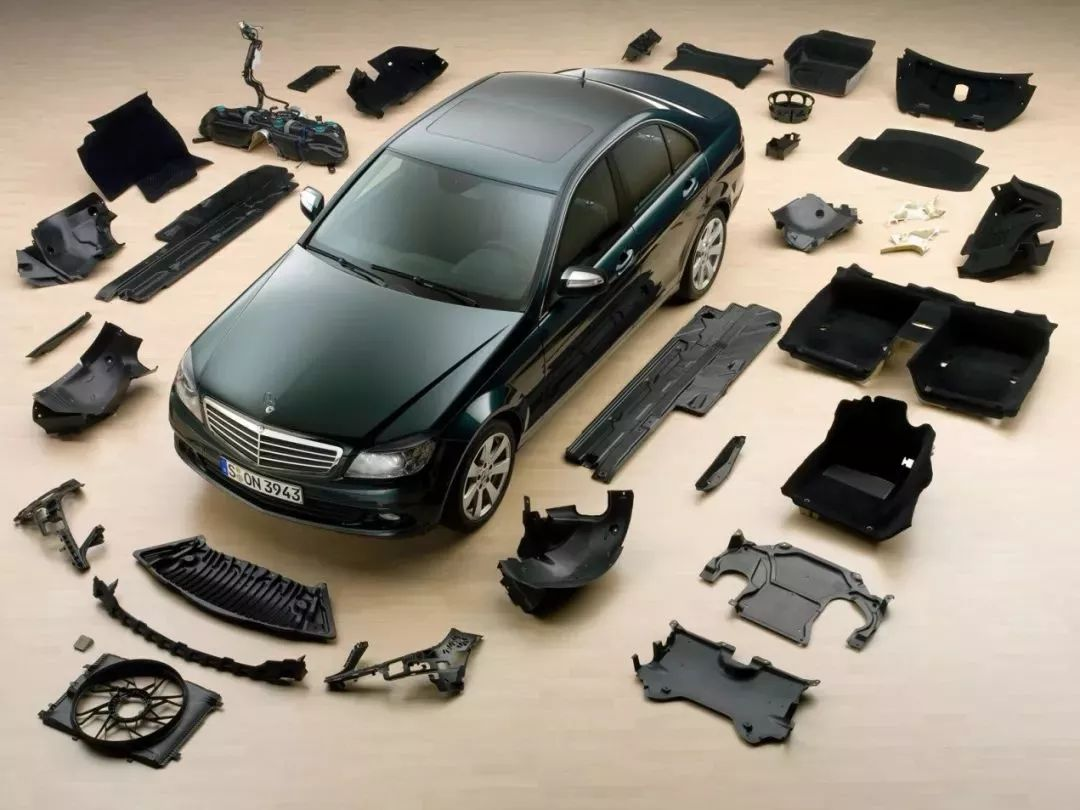
In recent years, driven by the intelligent and green transformation of the automotive industry, significant breakthroughs have been achieved in injection molding and painting processes within China's automotive parts manufacturing sector. These advancements are propelling the industry toward greater efficiency, precision, and sustainability. Below is an overview of the latest technological developments:
I. Optimization of Injection Molding: Shorter Cycles and Enhanced Precision
Innovative hot runner technology has notably improved production efficiency in injection molding. By integrating multi-valve needle drive systems, injection molding equipment now enables synchronized multi-nozzle resin injection, reducing cycle times while ensuring uniform component formation. The compact arrangement of nozzle units minimizes mold size and energy consumption, making the technology ideal for mass-producing complex automotive parts. Furthermore, the adoption of digital monitoring systems allows real-time parameter adjustments, further lowering defect rates and enhancing product consistency.
II. Innovations in Painting Technology: Comprehensive Coverage and Eco-Friendly Upgrades
Revolutions in painting processes focus on automation and environmental management:
-
Automated Painting Equipment: Advanced painting systems utilize multi-axis robotic arms and flipping fixture designs to achieve 360° coverage on plastic automotive components. For instance, mechanisms combining lateral movement and part rotation ensure even coating on curved surfaces and hard-to-reach areas, eliminating uneven paint distribution.
-
Solvent Recovery and Emission Control: To address volatile organic compounds (VOCs) generated during painting, cutting-edge systems integrate air-curtain isolation and catalytic combustion technologies, boosting exhaust treatment efficiency to over 98% and meeting national Grade-I emission standards. Meanwhile, solvent vapors are recycled via closed-loop systems, reducing material waste and environmental impact.
III. Sustainability and Resource Reuse Take Center Stage
Amid the green manufacturing trend, resource recycling technologies in painting processes are gaining traction. For example, certain painting systems employ water pump circulation and filter plate designs to instantly recover and purify residual coatings, slashing raw material consumption by over 30%. This approach not only cuts production costs but also aligns with China’s “Dual Carbon” goals by drastically reducing waste emissions.
IV. Industry Outlook: Smart and Cluster-Based Development
Regional governments are accelerating industrial upgrades through shared manufacturing hubs. A shared sheet metal spraying center, equipped with intelligent spray booths and digital monitoring platforms, now handles over 60,000 components annually. This centralized model significantly lowers environmental compliance costs for small and medium-sized enterprises. Additionally, companies are advancing "intelligent and digital transformation (智改数转)," leveraging IoT technologies to streamline production data and scheduling. Some factories have reported a year-on-year capacity increase exceeding 10%.
Conclusion
The technological evolution in automotive parts injection molding and painting not only elevates product quality and production efficiency but also reshapes the industry’s ecological footprint through greener processes. As patented innovations continue to be implemented, the automotive components manufacturing sector is poised to embrace a more efficient and sustainable future.