Trends and Innovations in Premium Cosmetic Bottle Customization: The Convergence of Personalization, Sustainability, and Intelligence
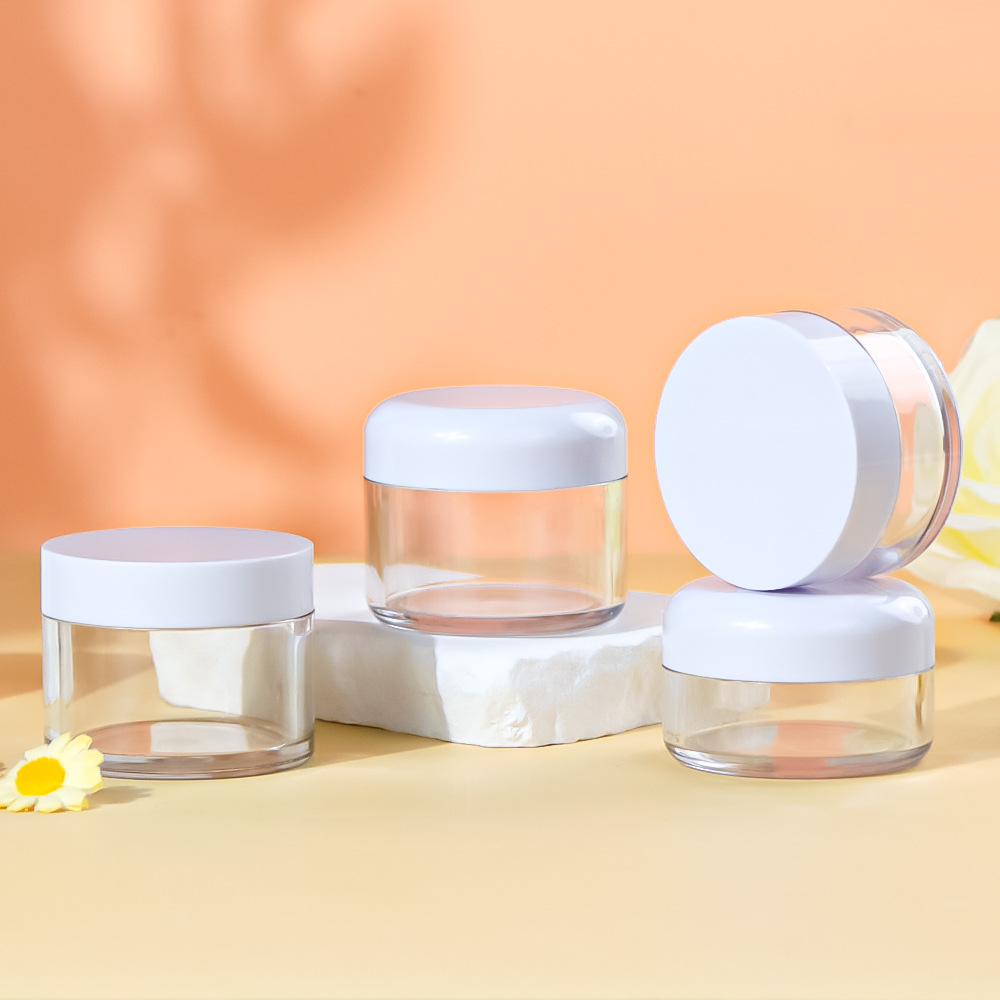
In recent years, the premium cosmetic bottle customization market has experienced exponential growth, driven by consumers' increasing demands for personalized, functional, and eco-friendly packaging. This has spurred continuous innovation across materials, processes, and technologies. From precision injection molding to intelligent decorative techniques, from sustainable materials to full supply chain integration, cosmetic packaging is transcending traditional manufacturing boundaries to create differentiated value for brands.
-
Market Growth Drivers: Dual Emphasis on Personalization and Sustainability
The global premium cosmetic bottle customization market is projected to grow from 5.3billionin2022to8.9 billion by 2030, with a 6.5% CAGR. This growth stems from consumers' dual pursuit of unique aesthetics and environmental consciousness. The Asia-Pacific region leads with 40% market share, fueled by surging demand for luxury beauty products in China and Japan, along with local brands' investments in innovative packaging.
Demand for small-batch, multi-order production has surged significantly. Flexible production lines and modular molds have reduced product development cycles by over 30%, enabling faster market response. Sustainable packaging has become central, with solutions like biodegradable PLA materials and coffee-ground composite bottles reducing plastic pollution while aligning with brand sustainability commitments.
-
Process Technology Innovations: Advancements in Injection Molding, Surface Treatment, and Screen Printing
Injection Molding: Multi-cavity mold technology now produces multiple complex bottles in single cycles, boosting efficiency by 30+. High-transparency materials like PETG and PMMA, combined with automated robotics and intelligent temperature control, ensure lightweight, impact-resistant bottles with premium-grade surface finishes.
Surface Treatment: Painting and electroplating technologies have evolved significantly. Multi-layer spraying creates dynamic gradient effects, while electroplating provides metallic finishes with enhanced durability. For challenging substrates like HDPE, flame/corona pretreatment combined with polyurethane coatings improves adhesion stability. Eco-friendly UV-cured coatings reduce energy consumption while eliminating smudging issues.
Screen Printing: Solvent-free, low-VOC UV inks now dominate, enabling high-precision printing on curved surfaces. AI-powered visual inspection detects defects in real-time, improving yields by 20+. Combined with laser engraving and hot stamping, screen printing creates 3D embossed effects that enhance brand recognition.
-
Sustainability and Intelligence: Core Directions for Future Packaging
Green Material Innovations: Glass bottles gain preference for infinite recyclability, with manufacturers adopting full-oxygen combustion to reduce emissions and improve recycling systems. Emerging alternatives like biodegradable bioplastics and bamboo fiber composites increasingly replace traditional plastics, meeting standards like EU REACH.
Smart Packaging: Sensor-embedded bottles monitor product usage, while QR codes enable anti-counterfeiting and consumer engagement. Smart labels with temperature-sensitive coatings enhance user experience and supply chain transparency. Digital twin technology optimizes mold design and production parameters through virtual simulation, improving cost-efficiency.
-
Customization Drives Full Supply Chain Integration
Customization now extends beyond aesthetics to functional integration. Examples include eyeliner tubes with twist-seal mechanisms, loose powder cases with removable sifters, and compacts with built-in HD mirrors - all achieved through integrated injection molding and assembly. Virtual simulation enables consumers to participate in bottle design for true "what-you-see-is-what-you-get" personalization.
For limited-edition or seasonal packaging, manufacturers now offer low MOQs (from 1,000 units) with premium finishes like multi-color gradients and metallic plating, reducing lead times to 4-5 days.
-
Future Outlook: Technological Evolution and Industry Transformation
As personalization and sustainability trends deepen, the industry will accelerate its shift toward intelligence and eco-friendliness. Digital printing, automated production, and AI quality inspection will enhance efficiency and precision. Strategic brand-manufacturer collaborations will drive innovations like refillable systems and smart interactive packaging.
Challenges remain, including high customization costs for SMEs, compliance requirements for eco-materials, and global supply chain complexities - all requiring technological innovation and industry collaboration.
Conclusion
The premium cosmetic bottle customization industry is redefining packaging value through cross-disciplinary integration and technological advancement. From precision manufacturing to smart interactivity, from sustainable materials to full-chain collaboration, each innovation empowers brands while advancing sustainability. Moving forward, packaging will evolve beyond mere containers into bridges connecting brand philosophy with consumer emotion.