High-End Cosmetic Packaging Customization: Industrial Upgrade from "Container" to "Art"
——In-Depth Analysis of 2025 Cosmetic Packaging Innovation Trends
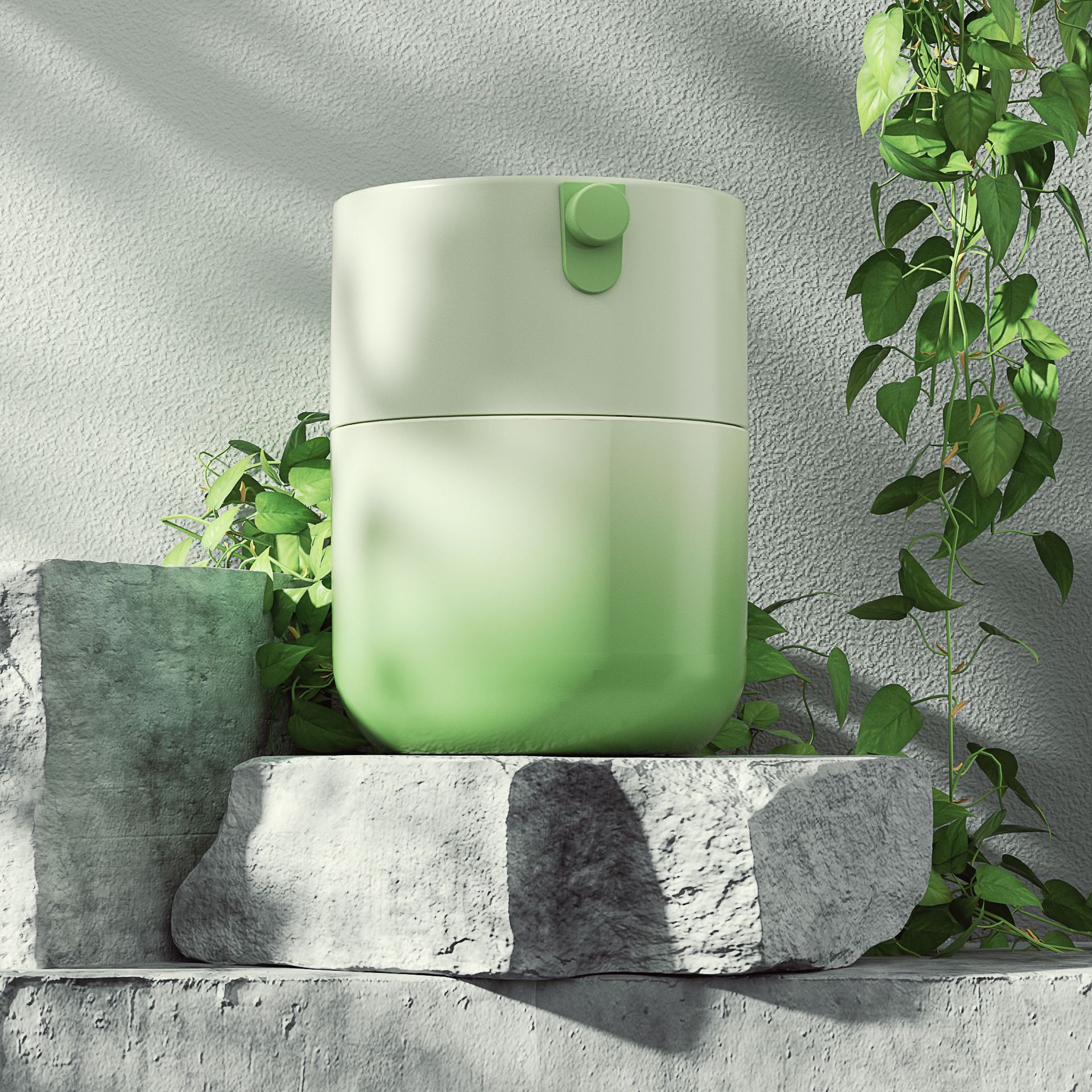
In the cosmetics industry’s "content is king" competitive landscape, packaging design has become a core battlefield for brands to capture consumers. With the explosion of personalized consumption demands, high-end cosmetic bottle customization has evolved from a mere functional carrier to a medium for brand value transmission, driving the industry toward three-dimensional advancements in technological innovation, eco-sustainability, and aesthetic expression.
I. Technological Innovation: Smart-Function Integration Reshapes Packaging
-
Breakthroughs in Spraying Techniques: High-end glass bottle customization has transcended traditional limitations. Multilayer spraying technology now achieves over a dozen surface effects, including transparency, frosted finishes, and metallization. For instance, a glass manufacturer employs nano-scale organic spraying combined with high-temperature annealing, creating bottles with unique fluorescent and phosphorescent visual effects, significantly enhancing shelf appeal.
-
Rise of Smart Packaging: Plastic bottle customization integrates intelligent technologies such as NFC chip-embedded caps, allowing consumers to scan via smartphones for real-time product traceability and usage guidance. Some manufacturers have developed "smart labels" that change color to indicate post-opening expiration dates, boosting user trust and experience.
-
Material Innovations: Eco-friendly materials like biodegradable bioplastics and recycled glass are gaining traction. In 2024, a domestic manufacturer launched the first cosmetic bottle containing 30% ocean-recycled plastics, balancing durability with low-carbon attributes, sparking industry-wide attention.
II. Sustainability: From Concept to Green Revolution
-
Circular Economy Models: To combat packaging waste, brands and manufacturers have jointly launched "empty bottle recycling programs." Consumers return used glass or plastic bottles to designated channels, where they are professionally cleaned, sterilized, and refilled, forming closed-loop supply chains. Estimates suggest this model reduces raw material consumption by 30%.
-
Lightweight Design: Structural optimization has reduced high-end cosmetic bottle weights by 15%-20% while maintaining pressure resistance and sealing. For example, an "air capsule bottle" utilizes hollow injection molding with walls as thin as 0.3mm, cutting transportation costs by 20%.
III. Aesthetic Expression: Cross-Border Design Elevates Brand Value
-
Art Collaborations: High-end cosmetic bottles have become canvases for artistic expression. During Paris Fashion Week 2025, a luxury brand debuted a limited-edition perfume bottle inspired by "architectural deconstruction," featuring 3D浮雕工艺 to replicate Gothic cathedral textures, with single bottles auctioned for over ¥10,000.
-
User Co-Creation: Digital platforms enable consumers to customize bottle patterns, colors, and even structures. One brand’s "virtual color-matching system" uses AI to generate gradient-colored bottles from uploaded photos, delivering personalized products within 72 hours.
IV. Industry Challenges: Anti-Counterfeiting and Regulatory Compliance
-
Counterfeit Risks: The recycling of genuine empty bottles has spawned a "real bottle, fake formula" black market. Data shows certain popular cream jars fetch回收价 up to ¥1,000, with counterfeit refills yielding triple the profit of genuine products. Manufacturers are combating this with laser-etched codes,隐形水印, and blockchain-based traceability.
-
Tighter Regulations: The 2024 Cosmetic Packaging Material Safety Technical Standards mandate migration testing and ban plastics containing harmful substances like BPA. Nationwide crackdowns in early 2025 uncovered counterfeit operations worth over ¥100 million, forcing industry-wide compliance.
Future Outlook: Packaging as Experience, Merging Tech and Humanity
Industry analysts predict two key directions for post-2025 high-end cosmetic packaging:
-
Immersive Interaction: AR-enabled "virtual try-on" via bottle scanning;
-
Emotional Design: Micro-sensors adjust product release based on environmental conditions, enhancing ritualistic usage.
From functional containers to brand storytelling mediums, high-end cosmetic bottle customization is undergoing a metamorphosis from "industrial product" to "art piece." This revolution transcends aesthetics and technology, reflecting consumers’ deeper pursuit of personalization, sustainability, and quality-driven lifestyles.