With growing consumer demand for personalized, functional, and eco-friendly cosmetic packaging, the custom production of high-end cosmetic bottles is experiencing a wave of technological innovation. From precision injection molding to surface treatment processes, the industry is integrating intelligent, sustainable, and high-precision manufacturing to provide brands with more efficient and creative solutions.
1. Precision Injection Molding Drives Packaging Design Diversification
In the injection molding of cosmetic bottles, high-precision mold design and automated production have become key breakthroughs. The "multi-cavity mold" technology enables the simultaneous molding of multiple complex bottle structures in a single cycle, significantly improving efficiency and reducing costs. For example, bottles made from high-transparency materials such as PETG and PMMA (acrylic) not only offer lightweight and impact-resistant properties but also enhance visual appeal with gradient or iridescent effects. Additionally, the use of automated robotic arms and intelligent temperature control systems enables unmanned operation in the injection molding process, ensuring dimensional accuracy and surface gloss meet premium standards.
2. Surface Treatment Processes: Painting and Plating Enhance Texture
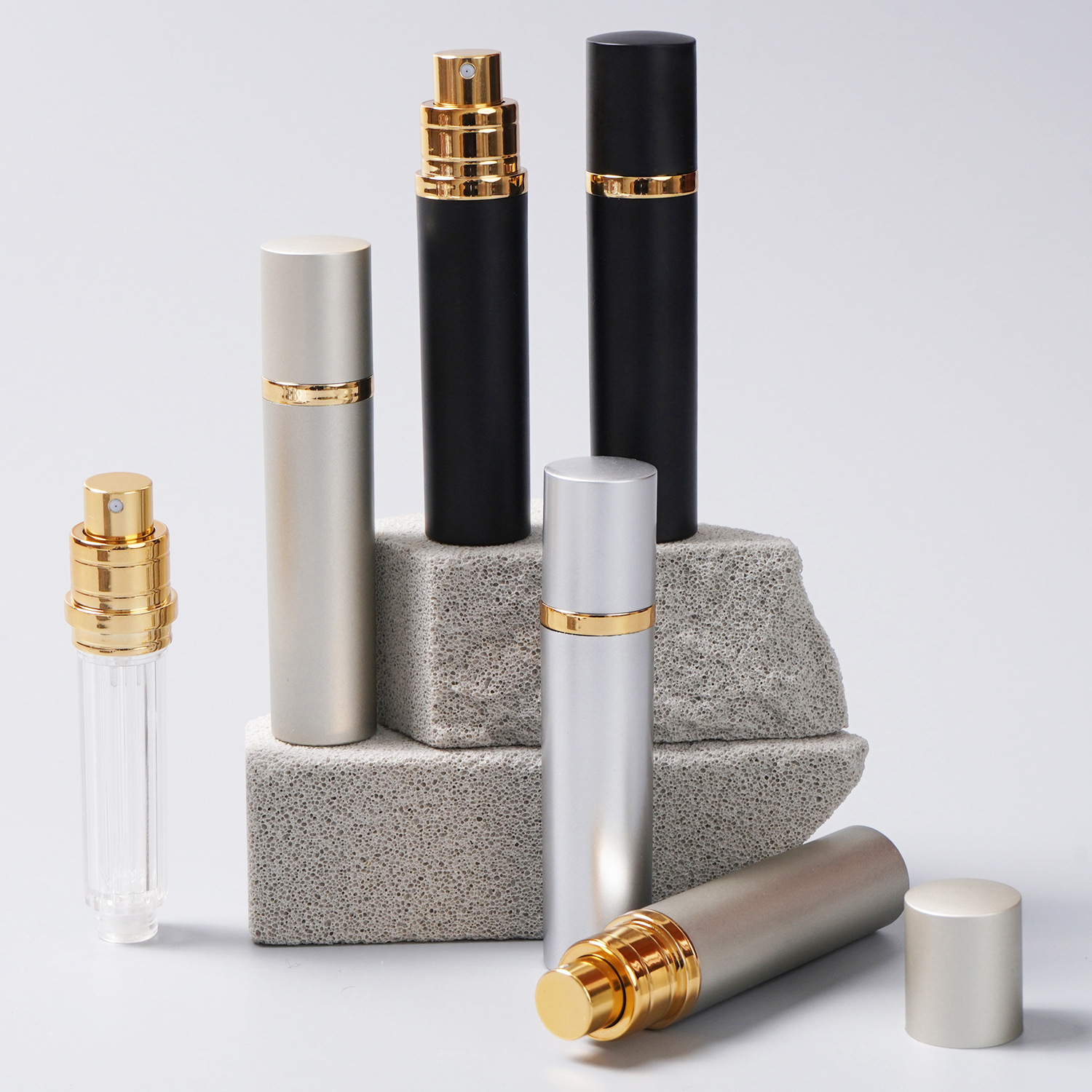
To meet brands' demand for a luxurious feel, painting and electroplating processes are widely adopted. For instance, gradient surface treatments use multi-layer spraying techniques to achieve smooth color transitions, creating dynamic light and shadow effects on bottles. Electroplating, on the other hand, imparts a metallic finish while improving wear resistance. Some manufacturers have introduced eco-friendly UV-cured coatings, which avoid the smudging issues of traditional paints and reduce energy consumption due to their rapid curing properties. Furthermore, special tactile coatings such as matte finishes and ceramic-like textures further enrich the sensory experience for consumers.
3. Screen Printing Innovation: Balancing Eco-Friendliness and High Precision
Screen printing, a key process for logos and decorative patterns on cosmetic bottles, is evolving toward higher precision and sustainability. UV inks, known for their solvent-free and low-VOC properties, have become the mainstream choice, complying with EU Reach and other environmental standards while enabling sharp, intricate prints on curved surfaces. For example, AI-powered visual inspection systems can detect printing defects in real time, ensuring pattern consistency across batches and improving yield rates by over 20%. Additionally, combining screen printing with laser engraving, hot stamping, and other hybrid techniques can create 3D embossed effects, enhancing brand recognition.
4. Customization Demand Drives Collaborative Innovation Across the Supply Chain
Today, cosmetic packaging customization extends beyond aesthetics to functional integration. Examples include powder compacts with built-in high-definition mirrors and snap closures, eyeliner tubes with twist-seal mechanisms, and loose powder cases featuring removable sifters—all achieved through integrated injection molding and assembly processes. Meanwhile, brands' demand for "small-batch, multi-order" production has driven manufacturers to adopt flexible production lines, using modular molds and digital management systems to quickly switch production modes, reducing new product development cycles by more than 30%.
5. Green Manufacturing and Smart Technologies Emerge as Future Trends
The adoption of sustainable materials and processes is reshaping the industry. Innovations such as biodegradable PLA materials and coffee-ground composite bottles reduce plastic waste while aligning with consumer expectations for eco-friendly packaging. On the production side, smart upgrades are lowering energy consumption—AI-driven inspection systems replace manual quality checks, and automated assembly lines minimize labor dependency. Some companies are also exploring digital twin technology, using virtual simulations to optimize mold design and production parameters for further cost and efficiency gains.
Conclusion
The high-end cosmetic packaging industry is breaking traditional manufacturing boundaries through technological advancements and cross-disciplinary integration. From injection molding precision to surface decoration, from sustainable materials to intelligent production, innovation across the entire supply chain enhances product value and strengthens brand differentiation. As personalized consumption and sustainability principles deepen, industry-wide technological evolution will continue to accelerate, driving cosmetic packaging toward smarter and greener solutions.