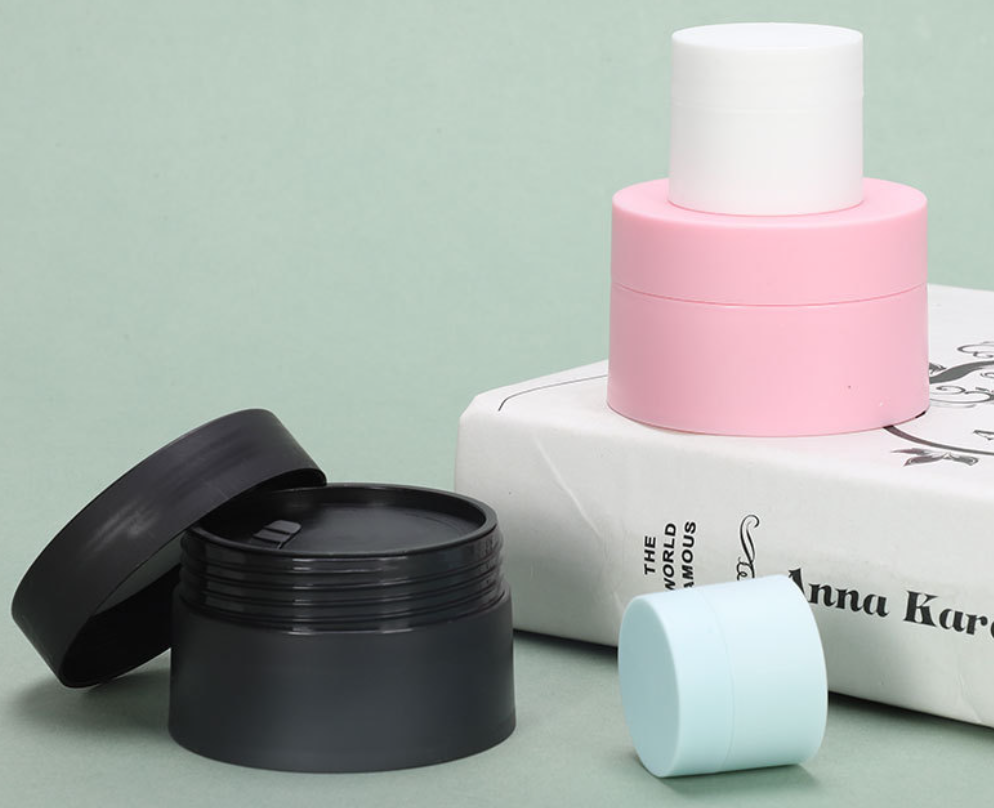
High-End Customized Cosmetic Empty Bottles Usher in a New Era of Packaging
March 12, 2025
As global demand for personalization and sustainability surges in the cosmetics market, high-end customized cosmetic empty bottles have become a core competitive element for brands. By integrating advanced technologies such as injection molding, hot stamping, and screen printing, industry-leading manufacturers are driving packaging design toward precision-oriented and sustainable development, empowering brands to craft unique identities while reducing environmental impact.
I. Injection Molding: Precision Crafting of Diverse Bottle Designs
Injection molding is the cornerstone of plastic cosmetic bottle production. Through precision mold development, complex bottle structures can be rapidly formed. Current mainstream materials include PP (polypropylene), PETG (eco-friendly transparent material), and ABS (for electroplated components), with PETG emerging as the preferred choice for high-end bottles due to its transparency and recyclability. For instance, dual-layer injection molding combines transparent and frosted effects to create gradient or 3D visuals, meeting brands’ demands for differentiated packaging.
Moreover, intelligent upgrades to injection molding lines have significantly boosted efficiency. The adoption of fully automated injection machines and tunnel oven baking systems enables streamlined production—from raw material molding to surface treatment—reducing cycle times to under 10 minutes while ensuring high temperature resistance and corrosion durability.
II. Hot Stamping & Screen Printing: Aesthetic and Functional Surface Treatments
Hot stamping utilizes laser-electroplated aluminum foil for high-temperature embossing, producing metallic patterns (e.g., brand logos or浮雕textures) on bottle surfaces. This technique is particularly effective on transparent bottles, enhancing dimensionality through light refraction. With a cost of approximately ¥200 per plate, it supports small-batch customization.
Screen printing dominates graphic and text labeling, relying on high-temperature inks and precise color registration. Glass bottles undergo 300°C+ baking to ensure scratch-resistant, fade-proof designs, while plastic bottles employ UV-curable inks for instant curing and multi-layer 3D effects. To minimize defects like contamination or misalignment, automated screen printing systems combined with flame pretreatment improve adhesion strength by over 30%.
III. High-End Customization: End-to-End Solutions from Materials to Design
To fulfill brand-specific needs, manufacturers offer one-stop solutions spanning bottle design, material selection, and process integration. Examples include:
Material Innovation: Double-layered PETG-acrylic bottles that preserve transparency while embedding color coatings.
Functional Integration: Vacuum pump bottles paired with electroplated shells, balancing freshness preservation and luxury appeal.
Eco-Customization: Biodegradable PLA materials and plant-based ink printing compliant with EU REACH standards.
IV. Green Transformation & Market Outlook
Driven by global carbon neutrality goals, the industry is accelerating its shift toward green manufacturing. By adhering to the 4R1D principle (Reduction, Recycling, Reuse, Energy recovery, Degradability), waste recycling rates have soared to above 90%. Meanwhile, circular packaging designs—such as modular caps and refillable cores—are gaining traction in premium markets.
Industry forecasts project the global cosmetics packaging market to exceed $50 billion by 2025, with customized plastic bottles driving a 12% annual growth rate. Future advancements in 3D printing and intelligent temperature-control systems are poised to further elevate production efficiency and design flexibility.
Conclusion
From the precision of injection molding to the artistry of hot stamping and screen printing, high-end customized cosmetic empty bottles are redefining packaging value through technological innovation. Propelled by sustainability and personalization, this field will continue to empower brands, steering the global cosmetics industry toward a more sustainable future.
This article synthesizes industry trends and technical insights, with data referencing authoritative market analyses.